Dearly Diary
How to Stay Close to a Long-Distance Friend
Nobody ends these friendships. They just get postponed, one week at a time.
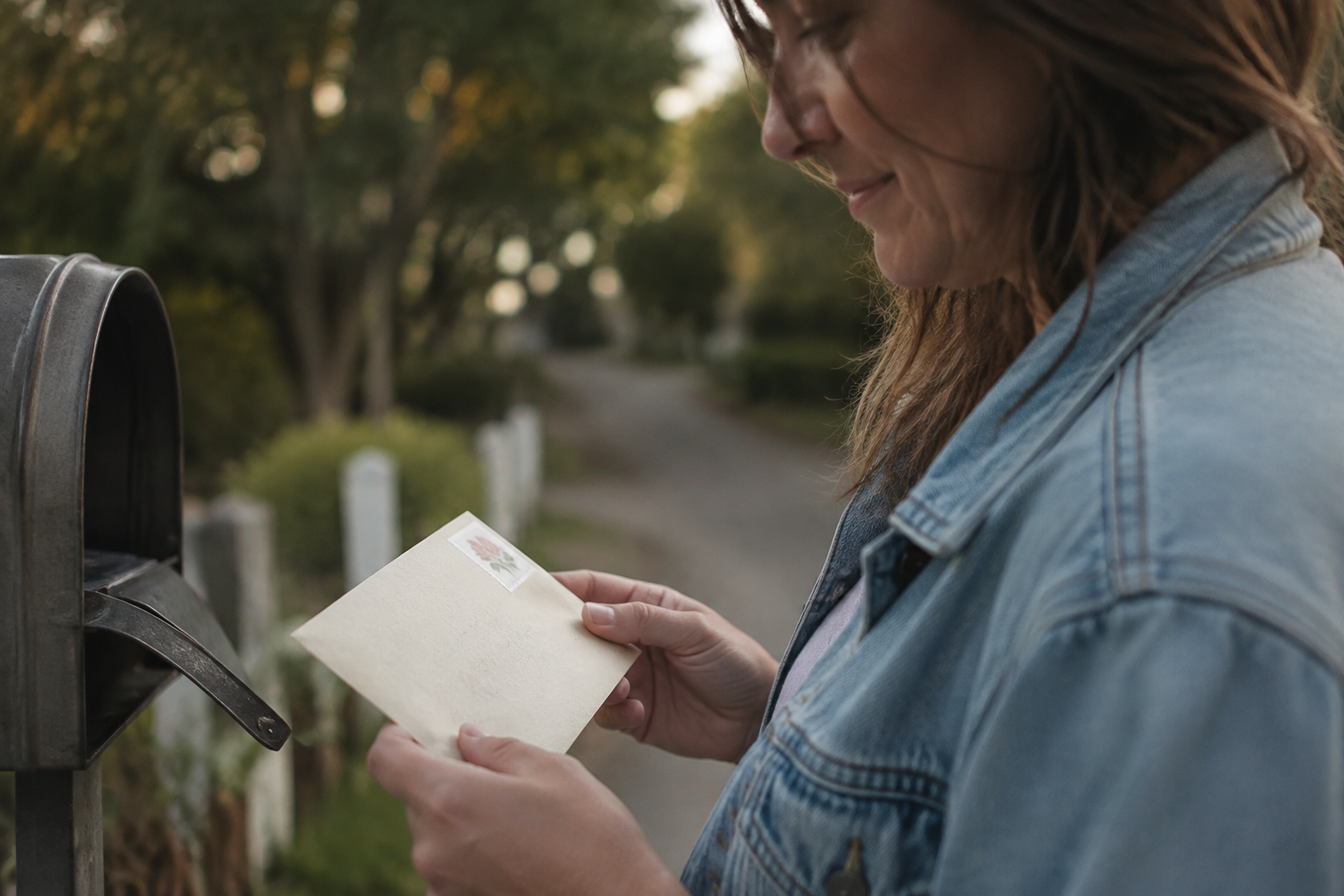
8 minute read · Friendship & Distance
Nobody ends a long-distance friendship. It simply gets postponed — a reply half-written in a queue, a call moved twice, six months in which you thought about them often and told them nothing.
The strange part is that you have never had more ways to reach each other. What distance actually removes is not contact. It is the accidental kind: the unplanned hour, the thing you would have mentioned in passing, the news they would have heard on the day rather than in a summary.
Everything below is an attempt to put some of that accident back on purpose.
What Distance Actually Takes Away
Friendships that live in the same city run on small, frequent, low-effort contact. At distance, every exchange has to be initiated, which quietly raises the cost of each one — and the longer the gap, the bigger the message feels it has to be.
That is the trap. Waiting until you have time for a proper catch-up is how a year goes by. The fix is not more effort; it is smaller units of contact, placed on a schedule so neither of you has to keep deciding.
Eight Rituals That Survive Real Life
A standing call, at a fixed time
The first Sunday of the month at six, or the drive home every other Friday. A recurring slot removes the entire negotiation, and a call you both forgot to look forward to still happens, which is the point.
Voice notes instead of texts
Two minutes of somebody’s actual voice — tired, laughing, mid-walk — carries more than a paragraph, and neither of you has to be free at the same moment. It is the closest thing to talking in passing.
Something you do together, separately
The same book, the same series, the same daft league table. A shared object gives you something to talk about that is not a status update, which is what most long-distance conversations run out of.
Send the small thing, not the summary
A photo of a street they would recognise. The sign that made you laugh. “This is your kind of nonsense.” Frequent and trivial beats rare and comprehensive, every time.
Keep their dates
Birthday, anniversary of the hard thing, first day of the new job, the scan. Put them in your calendar with a reminder a week early so something can arrive on the day rather than after it.
One annual tradition
A weekend in the same town every autumn, a shared holiday, an absurd anniversary of the day you met. Having the next one in the diary is what stops “we must see each other” from being a decade-long sentence.
Let it be low-pressure
Agree, out loud, that neither of you owes fast replies. Friendships die of guilt as often as neglect — remove the debt and people come back more freely.
Write, sometimes
A letter is the one form of contact that keeps arriving after the conversation ends. It sits on a shelf, gets re-read, and says — without saying it — that somebody spent an hour on you.
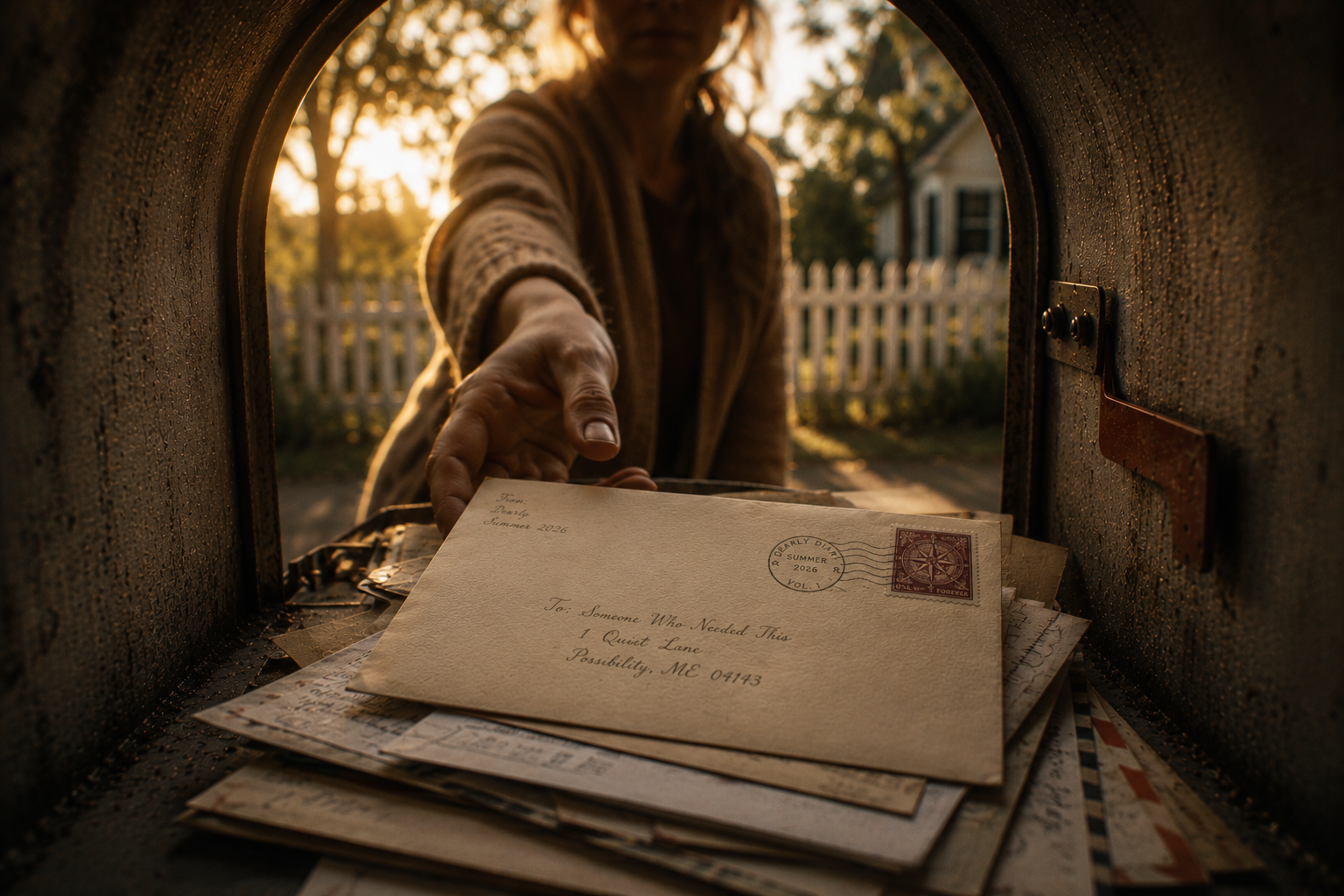
The Case for Post
Of all of these, post is the one people underrate. A message is read in the same second it is sent, in a stack of forty others. A letter arrives on a Thursday with your friend’s handwriting on it, and it is the only thing in the pile that was not printed by a machine.
It suits distance particularly well. There is no timezone to solve and no moment to be free for. You write when you have the hour; they read when they have theirs. Because there is no expectation of a fast reply, the writing tends to be more honest than anything either of you would say on a rushed call.
Start smaller than you think. A single page, a postcard from somewhere ordinary, a photograph with three lines on the back. A friend who has not had post in years will remember it for months.
Dearly, which publishes this Diary, sends members stationery and pairs them for handwritten correspondence — but none of that is required here. A friend who already misses you needs paper, a stamp, and an afternoon.
Making the Writing Easy
Keep the materials to hand
Paper, envelopes and stamps in one drawer. Most unwritten letters are not a failure of affection; they are a missing stamp on a Sunday evening.
Write in the gaps
Half a page on a train, finished later in the week. Letters do not have to be composed in one sitting, and the ones written in pieces often read better.
Say what happened, in detail
The specific beats the significant. What you ate, who annoyed you, what the light was doing. Detail is how someone far away gets to be present in an ordinary week.
Ask one real question
Something they can answer at length, in private, with time to think — which is the advantage paper has over every other kind of contact.
For the question itself, the Diary keeps a list of things worth asking a friend, and a fuller guide to what to write when the page is blank.
Rhythm, Not Volume
Closeness across distance is not maintained by volume. It is maintained by rhythm: the call that recurs, the tradition that returns, the envelope that arrives without an occasion attached.
Pick one thing from this list and start it this week. It does not need announcing. The friend on the other end will simply notice, some months from now, that you never quite drifted.
And if a birthday or Christmas is the thing prompting all this, we have a separate list of meaningful gifts for a long-distance friend.
Read Next
A gift from the Diary
36 Questions Worth Asking Someone You Want to Know Better
A free guide from Dearly, made to keep close. For first letters, long drives, old friends, and the conversations you wish lasted longer.
Wish you had someone to write to?
Dearly thoughtfully pairs people for handwritten correspondence, and carries the letters between them — no addresses exchanged.