Dearly Diary
The Surprisingly Intimate Act of Choosing a Stamp
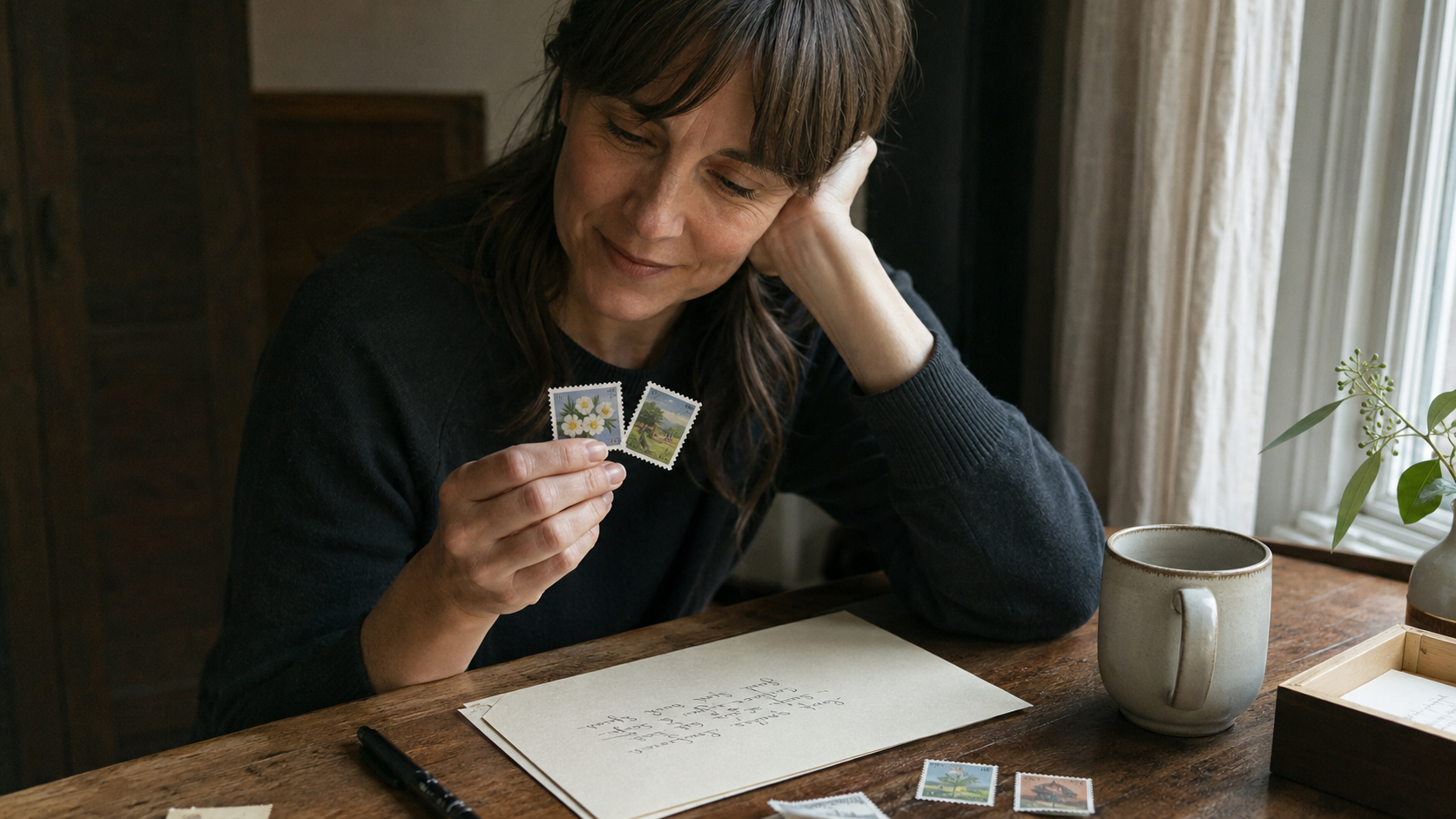
Before a letter begins its journey, there is one final decision: what tiny piece of art should carry these words to someone else?
6 minute read · Letter-Writing Details
There are two kinds of people in the world.
Those who reach into a drawer, find the first available stamp, press it onto an envelope at a slightly concerning angle, and move on with their lives.
And those who pause.
Is the flower too romantic?
Is the lighthouse too suggestive of emotional distance?
Does the bald eagle communicate confidence—or an alarming level of patriotism for a Tuesday afternoon?
Would the vintage train be charming? Does it say I took my time with this, or does it say I may own several rooms of model railways?
Choosing a stamp should be the easiest part of sending a handwritten letter. It is small. It is practical. It exists primarily to prove that you have paid for a journey you will not personally be taking.
And yet, when the letter matters, the stamp can suddenly feel like one more thing you are trying to say.
A Stamp Is Never Only Postage
Technically, a postage stamp is evidence of payment.
Emotionally, it is the first part of a letter someone sees.
Before the envelope is opened, before the first sentence is read, and before the recipient knows whether you have written one page or seven, they notice the outside.
Your handwriting.
The color of the envelope.
Their name written by your hand.
And in the corner, a tiny image you may—or may not—have chosen specifically for them.
A stamp is the smallest detail on an envelope, but it can be the beginning of the story inside.
Perhaps it is a wildflower because they once told you they miss their grandmother’s garden.
Perhaps it is a sailboat because they grew up near the water.
Perhaps it is a painting because they love museums, a constellation because they stay awake too late, or a dog because they have already mentioned theirs fourteen times—and sent photographs.
None of this is necessary.
That is precisely why it matters.
Small Choices Have Always Carried Meaning
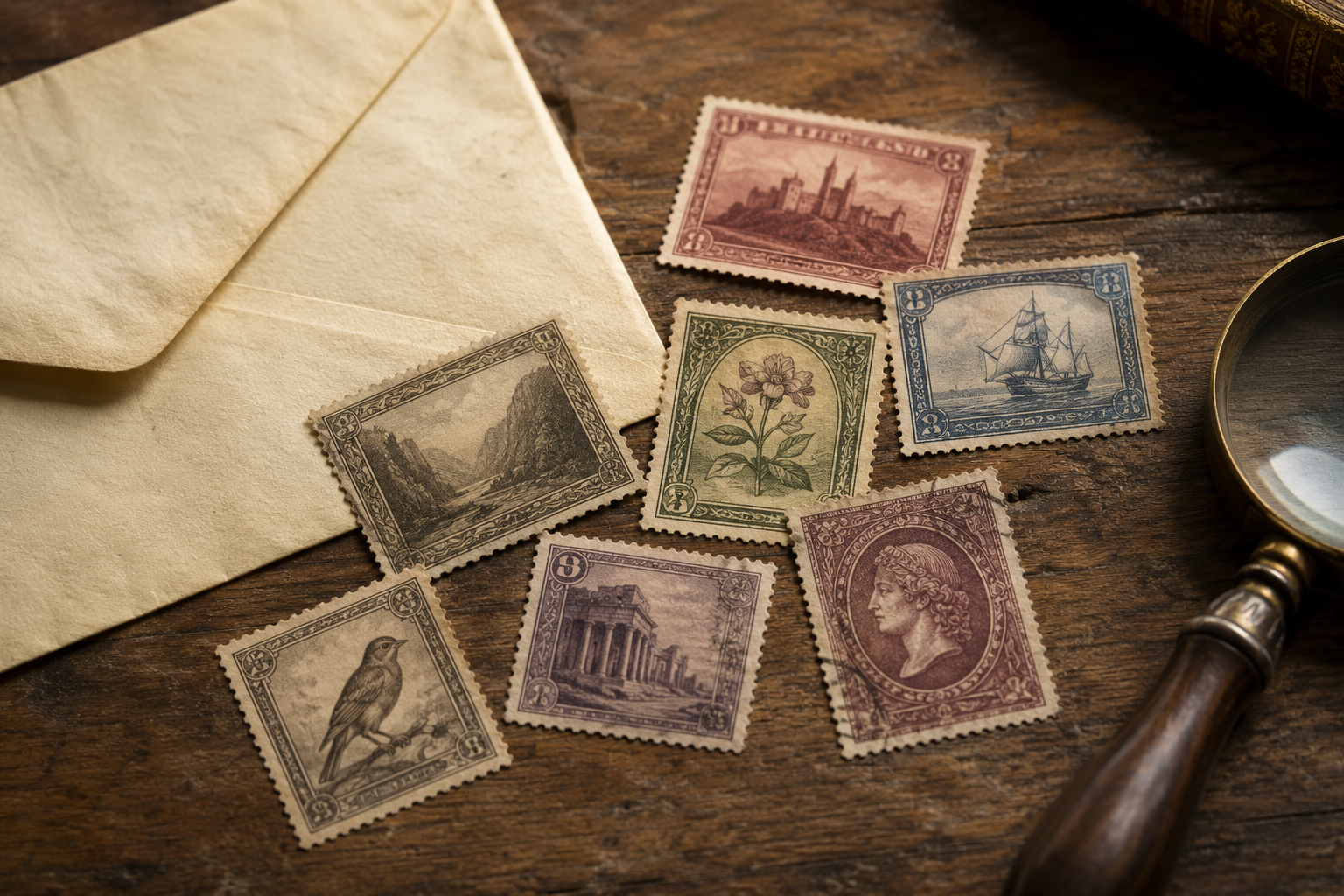
The world’s first widely recognized postage stamp, the Penny Black, went on sale in Britain in 1840. The first general-issue United States postage stamps followed in 1847, featuring Benjamin Franklin and George Washington.
Those early stamps were practical innovations. They made it possible to show that postage had been paid before a letter began its journey.
But stamps did not remain purely practical for very long.
Over time, they became miniature records of the things societies wanted to remember: artists, landscapes, scientific discoveries, flowers, animals, historic moments, cultural traditions, and people whose stories deserved to travel.
A stamp may be tiny, but it can contain an entire place, person, or memory.
That is part of what makes choosing one for a personal letter feel surprisingly intimate. You are selecting a small piece of the world to accompany your words.
The stamp does not have to match the letter. No postal worker will reject your heartfelt confession because you paired it with a cheerful illustration of winter berries.
But when it does match—when the recipient understands why you chose that particular image—it becomes a private wink before the envelope has even been opened.
The Return of Deliberate Details
Most modern communication does not leave much room for meaningful little choices.
We select a contact, type a message, and press send. The design of the experience has already been decided for us. Everyone’s words arrive in nearly identical bubbles, displayed in the same font and on the same screen.
Handwritten correspondence is different.
A letter is made from decisions.
Which paper?
Which pen?
Blue ink or black?
Do you begin with “Dear,” “Hello,” or the recipient’s name by itself because somehow that feels more serious?
Do you rewrite the page after making a mistake, or cross out the word and allow the evidence of your humanity to remain?
Do you seal the envelope neatly, add a small drawing, write something on the back, or leave it perfectly simple?
And finally:
Which stamp?
Care is often most visible in the details no one required us to consider.
These choices are part of what makes receiving a handwritten letter feel so different from receiving another notification. The sender did not simply transmit information. They created an object that did not exist before and made a series of small decisions about how it would reach you.
What if getting to know someone began with details like these?
Dearly creates thoughtful introductions through handwritten correspondence—giving people the time, privacy, and space to discover one another beyond a photograph or profile.
What Your Stamp Might Accidentally Say About You
Naturally, we should not overanalyze this.
We are calm, reasonable adults who would never assign too much meaning to a tiny adhesive rectangle.
Still, for entirely scientific purposes:
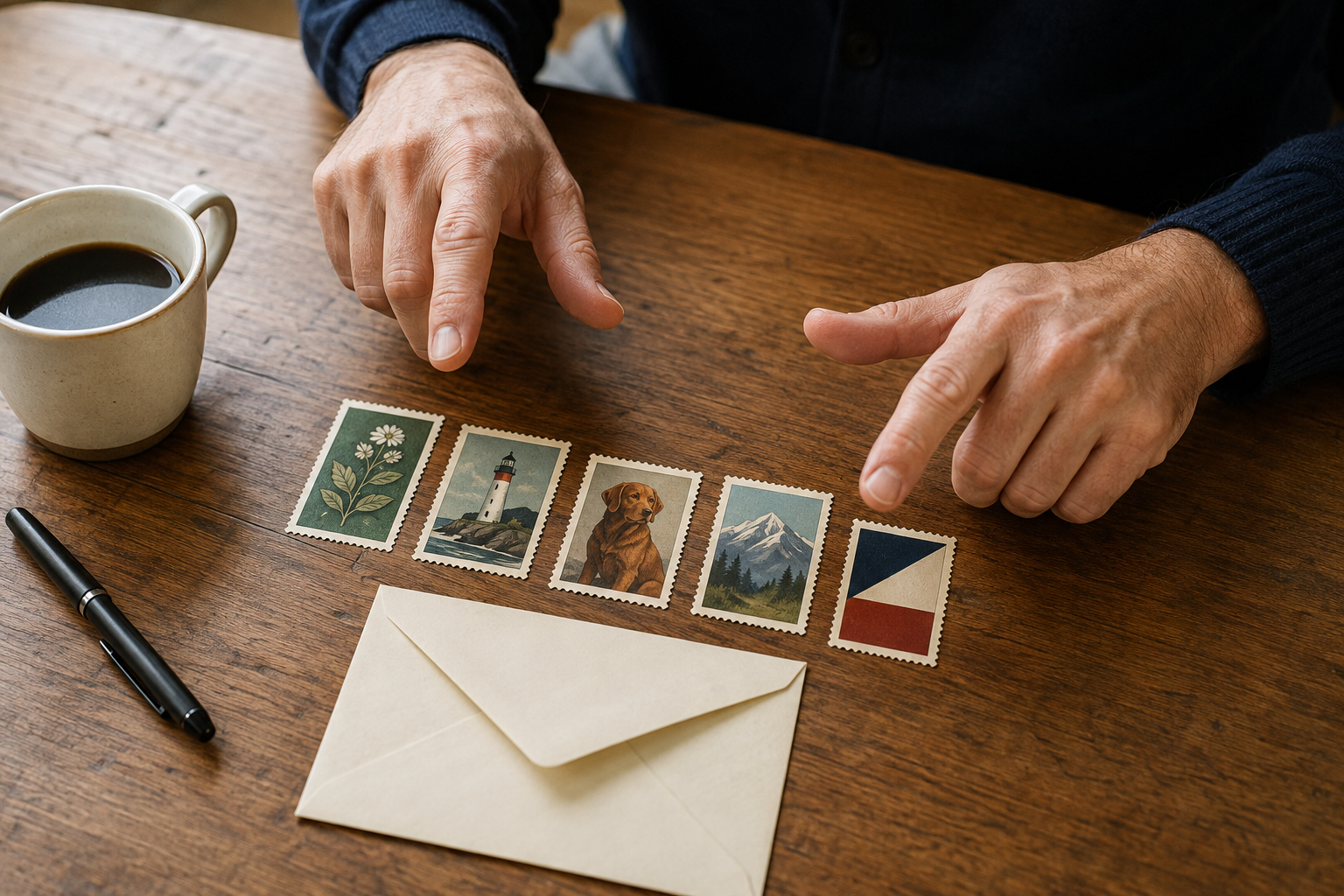
The botanical stamp
You notice small things. You probably own at least one notebook too beautiful to write in and have strong opinions about flowers that look “wild” versus flowers that look “arranged.”
The vintage stamp
You appreciate history, character, and anything that looks as though it might have been discovered inside an old desk. There is a reasonable chance you have purchased an object solely because of its patina.
The animal stamp
You are warm, loyal, and fully prepared to pause a serious conversation because a dog has entered the room.
The landscape stamp
You are thoughtful and possibly longing to be somewhere else. Mountains suggest introspection. Beaches suggest optimism. Lighthouses suggest that you contain multitudes—and may require further correspondence.
The plain flag stamp
You are efficient. You came here to mail a letter, not undertake a miniature identity crisis at the post office.
Respect.
The truth, of course, is that the stamp someone chooses may mean absolutely nothing.
But it may also mean, I remembered.
And there are few words more quietly powerful than those.
“I Saw This and Thought of You”
One of the simplest ways to make another person feel known is to remember a detail they once shared.
Not their birthday because a calendar reminded you.
Not their job because it appears beneath their name.
Something smaller.
The bird they always notice outside their window.
The city they hope to visit.
The artist they love.
The old car their father used to drive.
The flower that grew beside their childhood home.
Choosing a stamp that reflects one of those details says, without announcing itself:
I listened.
I remembered.
I thought you would notice.
That is not grand romance. It is something quieter and perhaps more important: attention.
Meaningful connection is built through attention. It grows when someone remembers the story behind the fact and the feeling behind the story.
The stamp is only a stamp.
But the choosing is an act of care.
The Envelope Is Part of the Letter
We often think a letter begins with its first written word.
In reality, the experience begins earlier.
It begins when someone opens the mailbox and sees an envelope that is not a bill, advertisement, or vaguely threatening notice from an insurance company.
It begins when they recognize their name in another person’s handwriting.
It begins when they turn the envelope over, notice the return address, and feel that small spark of anticipation.
The envelope is not merely packaging. It is the threshold of the letter.
The handwriting, paper, postmark, and stamp create the first few seconds of the experience. They give the recipient a moment to wonder before discovering what is inside.
That moment is part of the gift.
Choose the Stamp You Hope They’ll Notice
You do not need an extraordinary stamp to send a meaningful letter.
You do not need expensive stationery, flawless handwriting, or a collection of vintage postal supplies arranged inside an antique writing desk.
You need a page, an envelope, the correct postage, and something sincere to say.
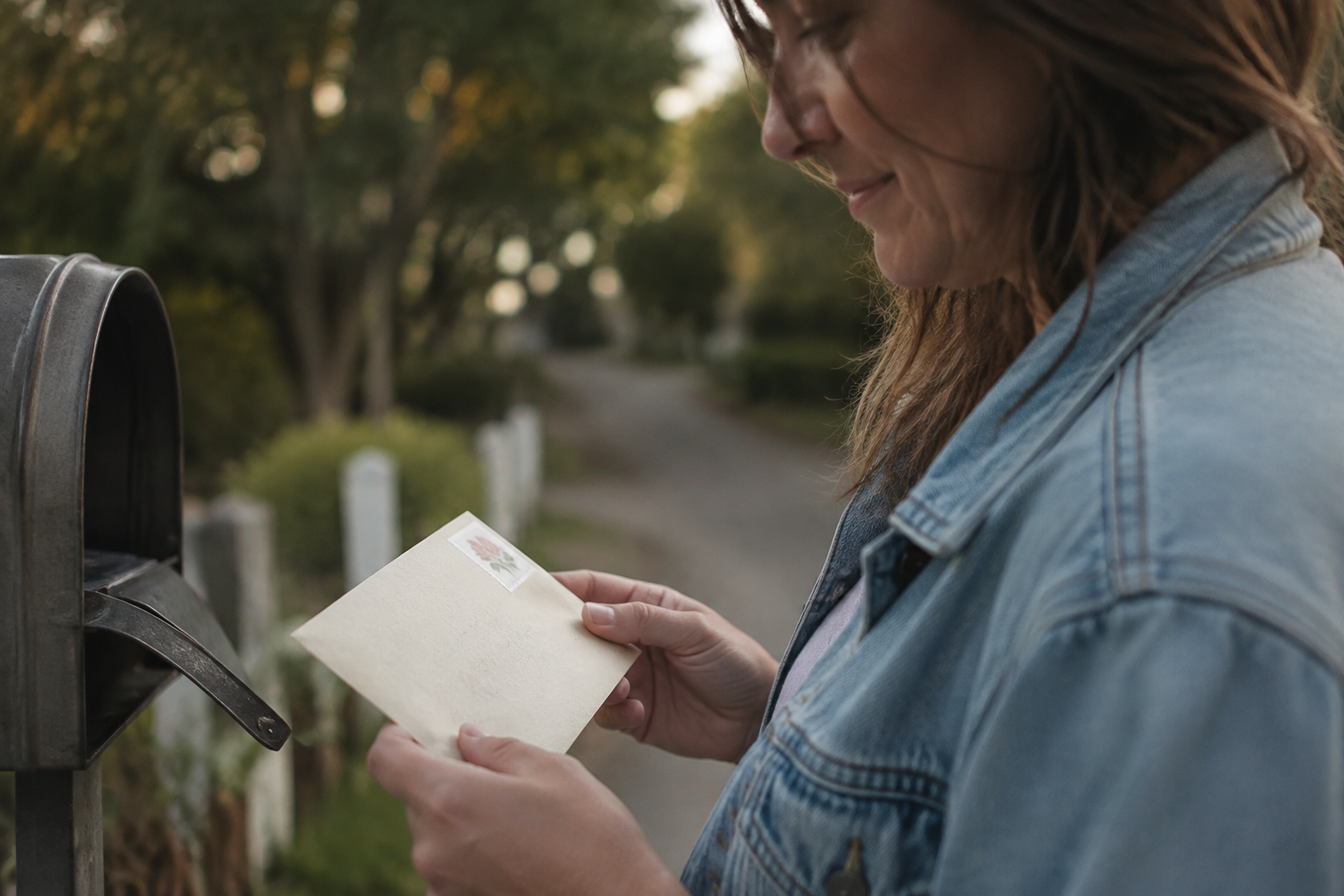
But if you happen to find a stamp that reminds you of the person receiving it, choose that one.
Maybe they will notice.
Maybe they will not.
Care does not become meaningless simply because it goes unrecognized. Some of the most loving decisions we make are invisible to the person who benefits from them.
Still, there is always the possibility that they will see it, smile, and understand exactly why you chose it.
And before they have read a single word, the letter will have already begun.
For people who believe the smallest details can mean something
Dearly is a thoughtfully curated letter-writing experience for those seeking meaningful, intentional connection through handwritten correspondence.
Not quite ready? Receive thoughtful stories, letter-writing inspiration, and occasional news from Dearly.
Small deliberate rituals like this one belong to a wider family of analog hobbies worth keeping. Stamps also make a small, exact present, along with everything else in our gift guide for writers and letter lovers.
A gift from the Diary
36 Questions Worth Asking Someone You Want to Know Better
A free guide from Dearly, made to keep close. For first letters, long drives, old friends, and the conversations you wish lasted longer.
Wish you had someone to write to?
Dearly thoughtfully pairs people for handwritten correspondence, and carries the letters between them — no addresses exchanged.